
About Escorial Wool Collection
Rare. Resilient. Remarkably Comfortable.
At Kemp and Hewitt, we curate fabrics not just for how they look on day one, but for how they perform over years of wear. Escorial wool is one of the rarest and most exceptional fibers we offer — chosen for clients who value quiet luxury, longevity, and craftsmanship over trends.
We currently carry the Escorial collection in two different books: Escudo and Toledo.

Current Collection
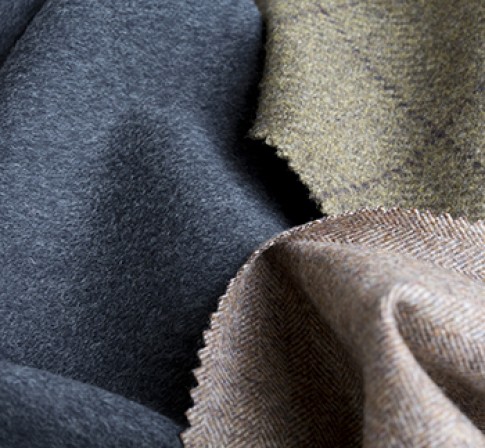
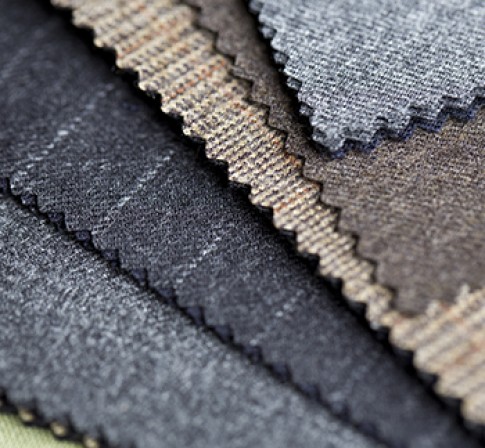
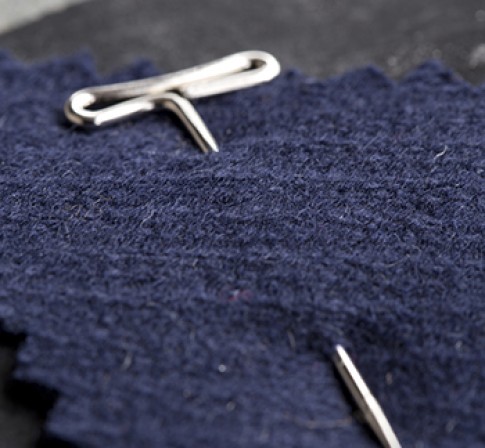
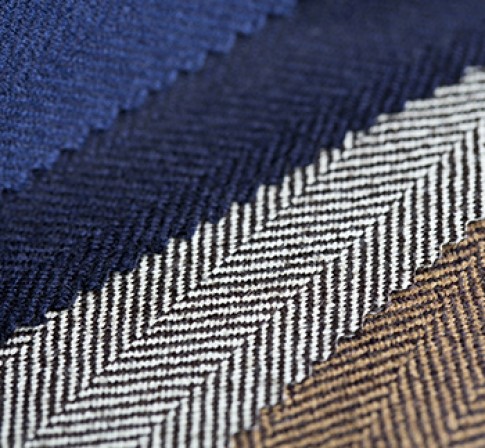
What Is Escorial Wool?
Escorial wool is one of the rarest natural fibers in the world, originally bred for Spanish royalty in the 16th century. The sheep that produce it yield an extraordinarily fine, spring-like fiber with a natural helical structure — giving the cloth remarkable softness, elasticity, and resilience.
Nearly lost to history, Escorial sheep survived through careful stewardship and are now raised in extremely limited numbers, primarily in New Zealand. Today, Escorial wool is prized by bespoke tailors for its ability to combine comfort, durability, and elegance in a way few fabrics can match.
Why Escorial Is Different
What sets Escorial apart isn’t just rarity — it’s performance.
- Naturally wrinkle-resistant due to its spring-like fiber structure
- Exceptionally soft without sacrificing durability
- Lightweight yet insulating, adapting well to changing temperatures
- Long-lasting, maintaining shape and appearance for decades
Escorial garments don’t collapse, stretch out, or lose their refinement over time. They rebound.
Escorial Compared to Other Luxury Wools
Clients often ask how Escorial compares to other premium fibers:
- Compared to Merino: Softer feel, greater elasticity, better shape retention
- Compared to Cashmere: More durable, less prone to pilling, better suited for tailoring
- Compared to Vicuña: Less rare, but far more wearable for everyday luxury garments
Escorial occupies a unique space — rare, but practical; luxurious, but built for real life.
Why We Recommend Escorial for Tailored Garments
We most often recommend Escorial for:
- Tailored jackets and sport coats
- Luxury suits intended for frequent wear or travel
- Clients who want garments that age beautifully over time
Its natural resilience allows for clean lines, elegant drape, and comfort that improves with wear — making it ideal for bespoke and made-to-measure tailoring.
FAQ: Escorial Wool
What is Escorial wool best used for?
Escorial wool is ideal for tailored jackets, suits, and sport coats where softness, durability, and shape retention are essential.
Is Escorial wool better than cashmere?
Escorial is generally more durable and less prone to pilling than cashmere, making it better suited for tailored garments worn regularly.
Does Escorial wool wrinkle easily?
No. Escorial wool is naturally wrinkle-resistant due to its helical fiber structure, which allows the fabric to spring back into shape.
Is Escorial wool good for travel?
Yes. Its resilience, breathability, and wrinkle resistance make it an excellent choice for travel garments.
Is Escorial wool sustainable?
Yes. Escorial wool is produced in extremely limited quantities by small growers focused on stewardship, traceability, and long-term preservation of the breed.
How rare is Escorial wool?
Very rare. Only a small number of growers worldwide produce Escorial wool, and annual output is a fraction of other luxury fibers.
Does Escorial wool last longer than other wools?
Yes. Properly tailored and cared for, Escorial garments can maintain their structure and appearance for decades.
Can Escorial wool be worn year-round?
Depending on fabric weight, Escorial performs well across multiple seasons due to its breathability and insulating properties.
To learn more about Escorial wool, contact Kemp & Hewitt’s Cloth Enthusiast, James Sheed. Also, check out this article about the royal flock of Escorial from a recent issue of North Carolina Living.